AYELE at the COP30 2025, Brazil
Date Published

The future can only be built with the voices of the people.
COP30 was presented as being “in the name of the peoples of the Amazon,” yet the peoples themselves were never truly invited.
COP30, the 30th United Nations Climate Change Conference, brought together governments, institutions, and organizations from across the world to discuss global responses to the climate crisis. Held this year in Belém, Brazil, it was framed as a historic moment for climate negotiations, especially in relation to the Amazon. The conference addressed themes of mitigation, adaptation, financing, and climate justice, yet its processes and inclusivity were widely questioned by Indigenous peoples and frontline communities.

Indigenous and local communities were limited, blocked, and discredited
While corporations responsible for the destruction of the Amazon stood on stage discussing how to “save” it.
The conference spoke of adaptation, preservation, and climate justice without ensuring that those most affected were placed at the center of the process. What remains is not a solution, but a legacy that reveals the urgent need for a new global standard of fair, honest, and regenerative climate communication.
COP30 did not deliver urgency, it delivered spectacle
By prioritizing companies with histories of environmental damage and neglecting affected communities, COP30 reinforced an unequal structure of power, one that sustains injustice while speaking the language of solutions.
The AYELE team stood alongside the global climate march with more than 50,000 people in Belém, Brazil. Voices rising together, reminding the world that justice cannot be negotiated without those who live it.
We offer the microphone to those who were met only with silence.
We carry truths that do not fit on corporate stages.

Indigenous Woman Rising at COP30 in Defense of the Planet ©AYELE Projects.
Without social justice, climate policies risk becoming another form of violence.
The communities that contribute the least to global emissions are the ones standing on the frontlines of floods, droughts, pollution, and displacement.
There is no climate justice without social justice.
Social injustice
Indigenous, Black, poor, queer, migrant, and marginalized communities face the harshest consequences with the fewest resources to respond. Real climate solutions require the leadership of those most impacted.

Gathering at the Museum Paraense Emílio Goeldi during COP30
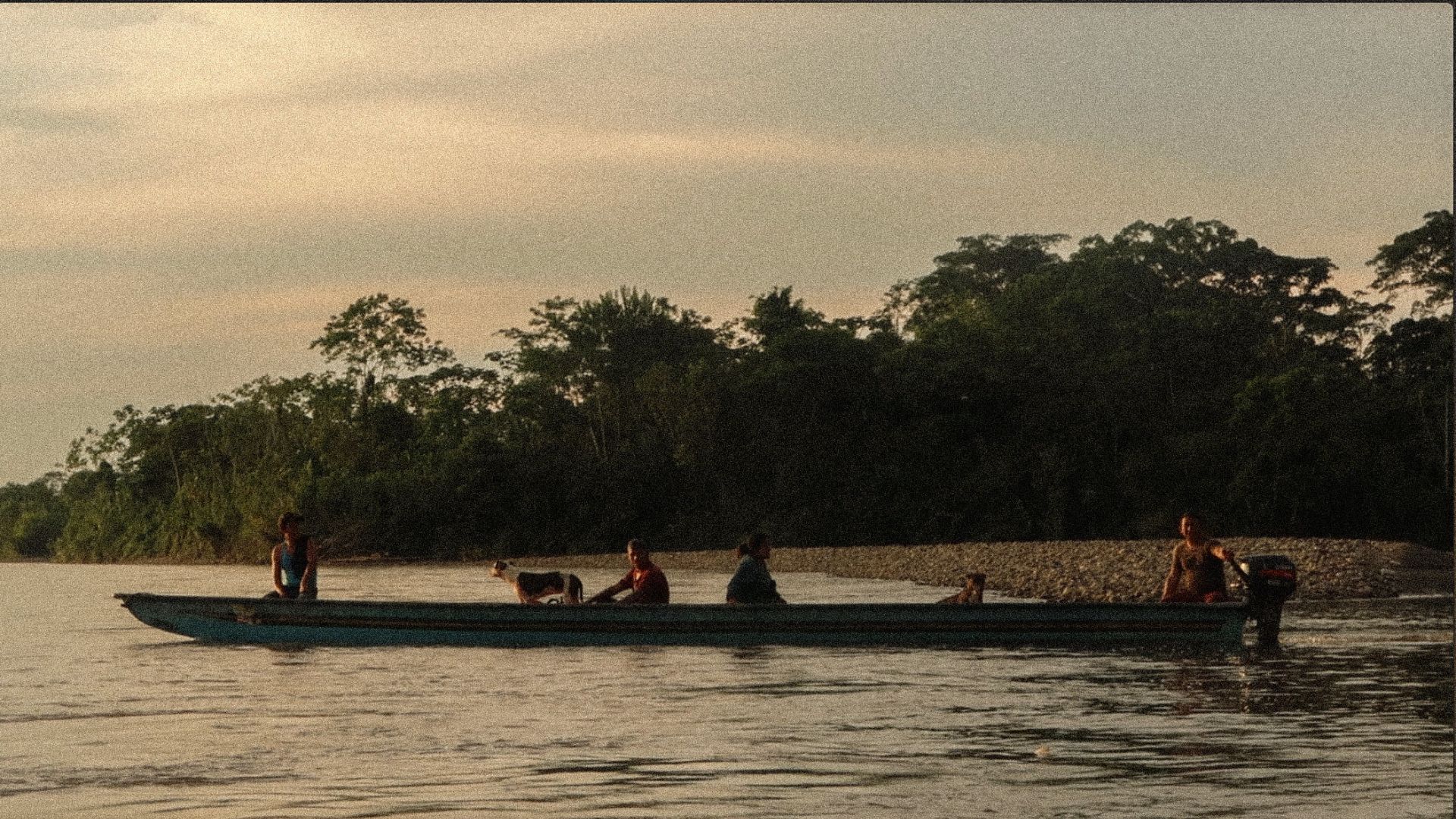
20 Noviembre, 2025 - BRAZIL (COP30)
Inner Rivers - Event
A community journey where yoga, storytelling, and Amazonian wisdom come together to explore inner strength, collective care, and new paths for mental-health justice.
Organized in collaboration with INexo Verde, Izartezen, and AYELE Proyects, this gathering weaves movement, breath, and lived experiences to highlight the importance of community mental health as a pillar of climate justice.
Related articles:

Scientific NASA'S studies prove how Indigenous communities protect the Amazon rainforest, the planet’s carbon sink, sustaining life, climate balance.


UNESCO highlights how Indigenous peoples safeguard tropical forests, preserving biodiversity, preventing deforestation, and sustaining Earth's balance